Is Back Pain Considered a Disability?
Yes, back pain is a disability under Social Security Administration (SSA) rules when it limits your ability to perform substantial gainful activity, similar to other conditions that qualify for disability. Back pain is a common condition that can be due to a variety of underlying issues such as a herniated disc, spinal stenosis, degenerative disc disease, a fracture or nerve compression. Chronic or severe back pain can affect the ability to stand, sit, lift, or walk for long periods of time.
To be approved for disability benefits, the SSA looks at whether your condition is a known medical problem, how severe it is and if it is expected to last for at least 12 months or result in death. The agency also determines how your condition responds to treatment and how it affects your ability to work full time. Even if your diagnosis alone does not automatically qualify under a specific listing, you may still be eligible if your symptoms prevent taking part in consistent employment. Applicants may qualify for Social Security Disability Insurance (SSDI) or Supplemental Security Income (SSI), depending on their work history and financial situation. Back pain is often evaluated under SSA Blue Book listings related to musculoskeletal disorders which are disorders of the spine.

Common Symptoms the SSA Looks For
The SSA evaluates back pain based on both objective medical findings and reported symptoms. Common symptoms are persistent pain in the lower or upper back, stiffness, reduced range of motion, and muscle weakness. Many individuals also experience radiating pain, often referred to as sciatica, which can travel down the legs due to nerve compression, alongside other spinal conditions.
Other symptoms could include numbness, tingling, or loss of sensation in the extremities. Some people may find it difficult to stand upright, walk without help, or maintain balance. Chronic pain may also lead to fatigue, sleep problems, and a decrease in stamina. In the more advanced cases, back pain can affect the bowel or bladder which is considered a serious medical complication. The SSA carefully reviews medical records, results of MRIs or X-rays, and clinical notes to assess the severity of these symptoms.
How Can Back Pain Affect Your Ability to Work?
Back pain can significantly impact your ability to perform work related activities, particularly in jobs where physical labor is important. Tasks such as lifting, carrying, bending, or prolonged standing can become difficult or impossible. Even a sedentary job can be affected, as sitting for long periods may worsen pain and lead to discomfort.
Individuals dealing with ongoing pain often become anxious or depressed, which can interfere with job performance. A frequent need for breaks, limited mobility, and reduced stamina can make it hard to maintain a consistent work schedule.
SSA Medical Criteria for Physical Disabilities
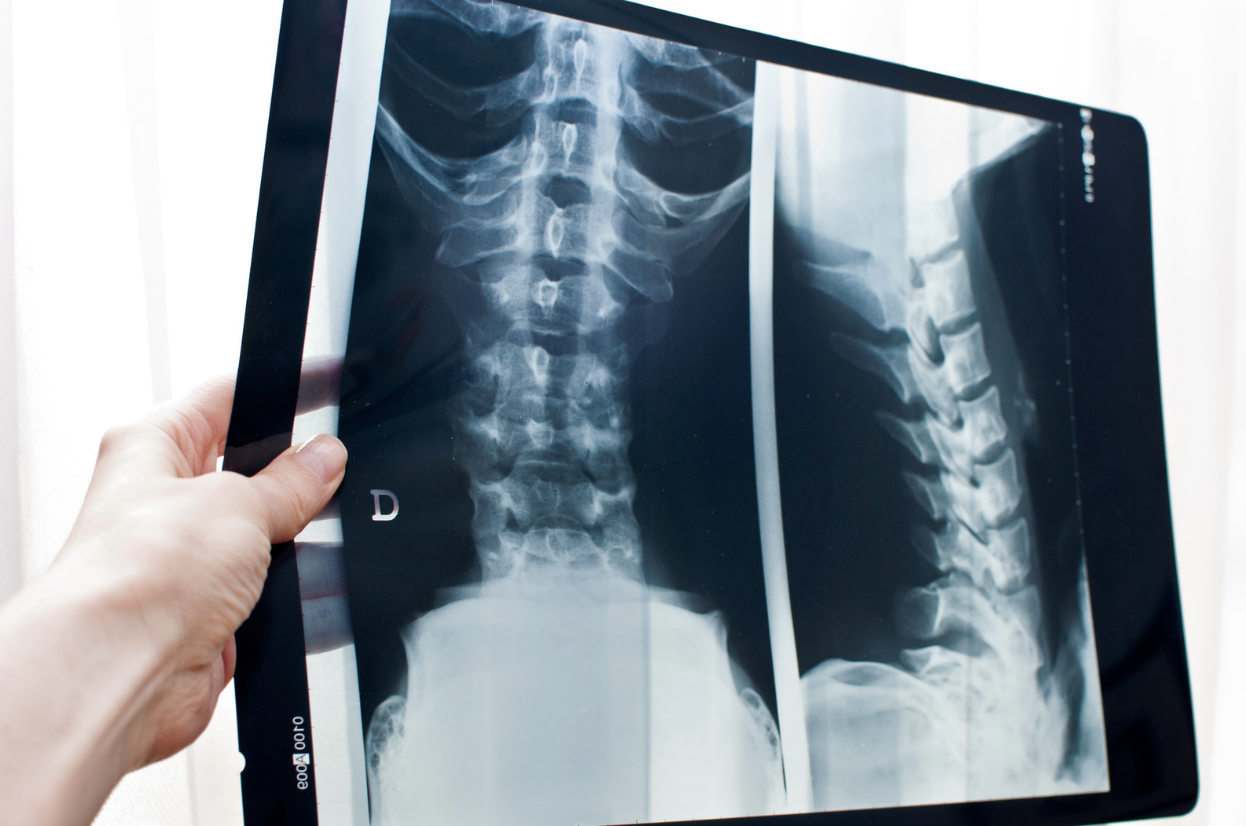
To qualify for disability benefits based on back pain, the SSA requires strong medical evidence that demonstrates both the diagnosis and its functional limitations. Understanding the SSDI application process can help you prepare the necessary documentation. Conditions involving the spine are typically evaluated under listings that require evidence of nerve root compression, spinal arachnoiditis, or lumbar spinal stenosis resulting in significant limitations.
For example, nerve root compression must be supported by imaging and accompanied by symptoms such as severe pain, limited motion of the spine, muscle weakness, and sensory or reflex loss. These findings must be consistent and documented over time. Spinal stenosis may qualify if it results in an inability to walk effectively, meaning you cannot sustain a reasonable walking pace without assistance.
The SSA also looks for documented treatment efforts, such as physical therapy, medications, injections, or surgery. A lack of improvement despite ongoing treatment can strengthen your claim. Medical records should clearly outline how your condition limits your physical abilities and daily functioning.
If You Don’t Meet the SSA Criteria With Back Pain
Many applicants are approved for disability even if they fail to meet a specific SSA listing. In these cases, the SSA evaluates your Residual Functional Capacity (RFC), which measures what you are still able to do despite your condition. This assessment considers your ability to sit, stand, walk, lift, carry, and perform other work related activities.
You may qualify for benefits if your condition prevents you from performing your past work and adapting to other types of employment. Chronic pain, ongoing treatment, and consistent medical documentation can help to support your case, even without meeting a formal listing. If your claim is denied, you can appeal a disability denial.
Qualifying for SSI With Back Pain
When applying for disability benefits, it is important to understand the difference between SSDI and SSI. SSDI is based on your work history and the number of work credits you have earned, while SSI is a needs based program for individuals with limited income and assets. The general asset limits for SSI are about $2,000 for an individual and $3,000 for a couple.
Individuals with back pain may qualify for SSI if they have not worked enough to qualify for SSDI but still meet the medical requirements for disability. Both programs require proof that your condition significantly limits your ability to work.
A strong application includes consistent medical treatment, detailed physician reports, and documentation of how your condition affects your daily life. Records showing ongoing pain, limited mobility, and unsuccessful treatment attempts can be particularly useful. The SSA will closely consider how your condition impacts your functional capacity rather than relying just on the diagnosis itself.
How Much Does Disability Pay With Back Pain?
Disability benefit amounts are not determined by just your medical condition. For SSDI, payments are based on your past earnings and work history. On average, monthly SSDI benefits typically range from $1,400 to $1,500, although some individuals may receive higher amounts depending on their earnings record.
SSI payments are based on financial need and are subject to federal limits. The maximum federal SSI benefit is approximately $943 per month for an individual, although this amount may change slightly each year and may be supplemented by some states. In certain cases, applicants may also receive back pay, which covers the period between the onset of disability and the approval for benefits.
How to Apply With Back Pain
When applying for disability with back pain, thorough documentation is essential. You should continue receiving medical treatment and follow all recommended therapies, as gaps in care can negatively affect your claim. Keeping detailed records of your symptoms, limitations, and how your condition impacts your ability to work is crucial.
Medical evidence should include imaging results, treatment history, and physician statements that clearly describe your limitations. Personal statements from family members, employers, or caregivers can also provide valuable insight into how your condition affects your daily life.
Applications can be submitted online, by phone, or in person at a Social Security office. Providing complete and accurate information from the start can improve your chances of approval and reduce delays in the process.
How a Disability Lawyer Can Help
A disability lawyer can play an important role in navigating the application process. They can help gather and organize medical evidence, ensure that all required documentation is submitted, and communicate directly with the SSA on your behalf. If your claim is denied, an attorney can represent you during the appeals process and present your case before an administrative law judge.
Disability attorneys understand the complexities of SSA regulations and can identify weaknesses in your application that may lead to denial. They work on a contingency fee basis, meaning they are only paid if you win your case.
Get Help With Your Back Pain Disability Claim Today
If your back pain is preventing you from being employed, you should consider applying for disability benefits. The process can be complex and time consuming so getting legal help can make all the difference.
Seek a free case evaluation today.
