Are Knee Disorders Considered a Disability?
Yes, knee disorders can qualify as a disability under Social Security Administration (SSA) criteria when they significantly limit your opportunity to work, similar to other disabling conditions for SSDI. Knee conditions can affect mobility, stability, strength, and endurance, making it hard to perform both physical and sedentary jobs. The commonest knee disorders are osteoarthritis, rheumatoid arthritis, torn ligaments, meniscus tears, chronic joint degeneration, knee instability, and complications following surgery or a joint replacement.
Even though many individuals experience improvement with treatment, others continue to suffer from chronic pain, limitations in movement, and difficulty with walking despite medication, physical therapy, or surgery. The SSA recognizes that severe knee disorders can interfere with a person's ability to perform substantial gainful activity.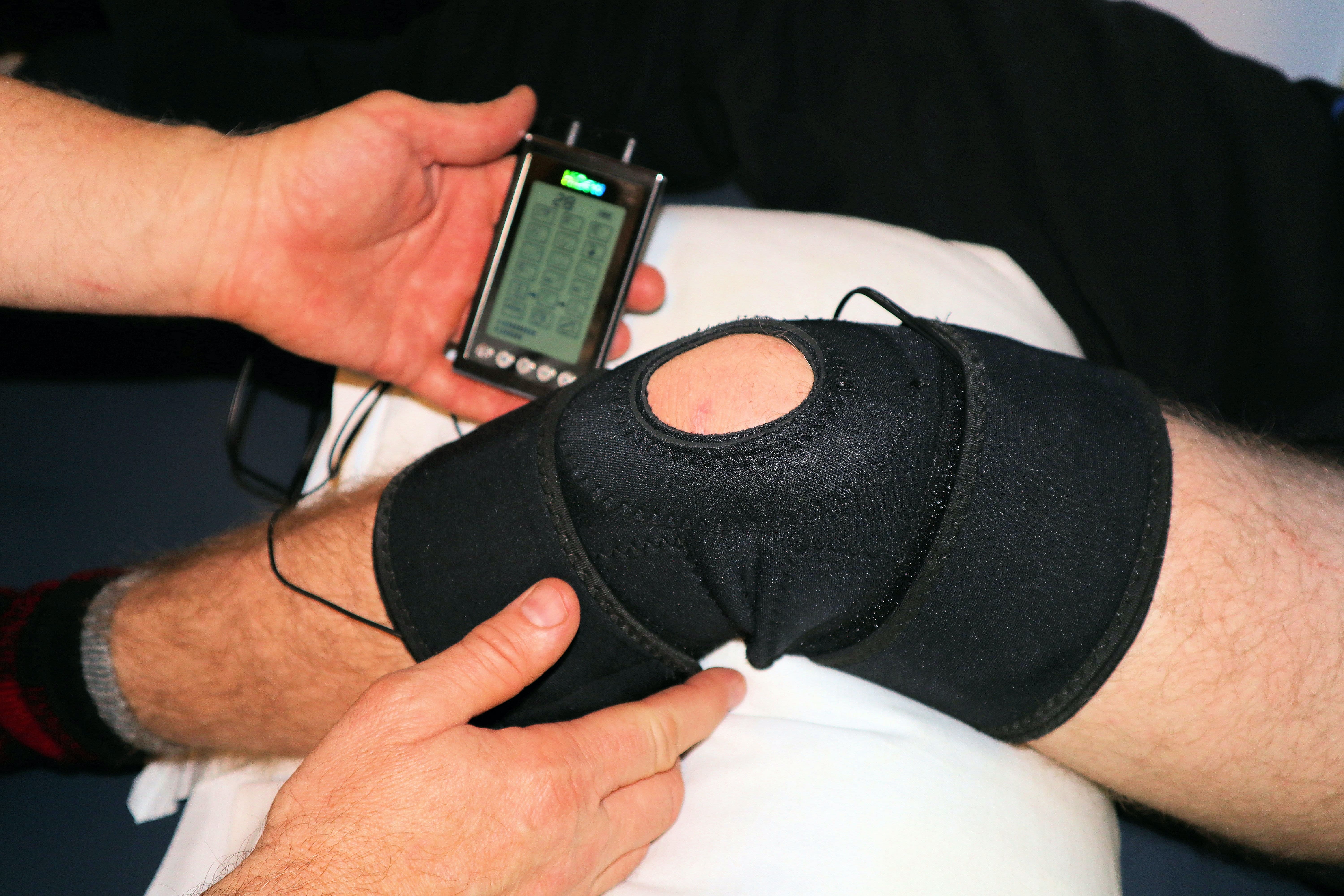
Approval for disability benefits is based on several factors. The Social Security Administration reviews medical evidence to confirm the diagnosis, evaluates the severity of symptoms, and determines whether the condition has lasted or is expected to last at least 12 months. Decision-makers also consider how well the condition responds to treatment and whether the resulting functional limitations prevent the applicant from performing full-time work on a sustained basis.
The SSA evaluates knee disorders under Blue Book Listing: 1.18 by assessing imaging studies, physical examinations, treatment records, and the extent to which the condition limits mobility and weight-bearing activities. To meet the listing, the knee impairment must result in a documented inability to ambulate effectively or perform work-related movements on a sustained basis despite appropriate treatment.
Even if you fail to meet a specific listing, you may still qualify for either the Social Security Disability Insurance (SSDI) or the Supplemental Security Income (SSI) program if your symptoms stop you from maintaining full-time employment.
Common Symptoms the SSA Looks For
The SSA evaluates how your knee disorder affects your ability to function on a daily basis. Symptoms may vary depending on the underlying condition, but many individuals experience chronic pain and mobility problems. Common symptoms include chronic knee pain, swelling, stiffness, tenderness, instability, reduced range of motion, and weakness. Many people find it difficult to stand for extended periods, walk long distances, climb stairs and kneel, crouch, or squat.
Some individuals fall frequently or may require a device such as a cane, walker, brace, or crutches. Others may also develop an altered gait that places even more strain on other joints, leading to further physical limitations including back pain.
The SSA assesses the severity of symptoms, how often they occur, and if treatment improves your condition.
How Can Knee Disorders Affect Your Ability to Work?
Knee disorders can make many types of employment hard or impossible. A job that requires standing, walking, lifting, carrying, climbing, or repetitive movement often becomes a challenge as symptoms worsen. Individuals who work in construction, manufacturing, healthcare, retail, transportation, or a warehouse setting may be unable to meet the physical demands of their jobs. Chronic pain and reduced mobility can make even the most routine tasks difficult to complete safely.
Sedentary employment may be affected too. Sitting for long periods may encourage stiffness and discomfort, while frequent changes in position may decrease productivity. Some individuals require regular breaks throughout the day in order to manage pain and swelling.
Frequent medical appointments, physical therapy sessions, surgery, and recovery periods may also interfere with work attendance. The SSA considers whether your condition prevents you from performing past work and whether you could reasonably transition to another occupation.
SSA Medical Criteria for Physical Disabilities
The SSA evaluates knee disorders under musculoskeletal impairment listings. Medical evidence plays a key role in determining eligibility. Understanding the SSDI application process can help you gather the right documentation.
Supporting documentation may include physician records, orthopedic evaluations, MRI results, X-rays, surgical reports, physical therapy records, and treatment histories. The SSA looks for objective evidence showing significant joint dysfunction and functional limitations. Medical records should clearly describe how the condition affects your ability to stand, walk, balance, lift, and perform routine activities. Consistent treatment records help to highlight the severity and ongoing nature of the impairment.
The SSA also considers whether treatment has improved your condition or whether substantial limitations remain despite medical intervention.
If You Don't Meet the SSA Criteria for a Knee Disorder
Many applicants do not meet a specific Blue Book listing but still qualify through a Residual Functional Capacity (RFC) assessment. An RFC evaluation examines what activities you can still perform despite your condition. The SSA reviews your ability to stand, walk, sit, lift, carry, bend, climb, and complete work-related tasks during a normal workday.
For example, an individual may be unable to stand for more than short periods, walk significant distances, or safely perform tasks requiring balance and mobility. Chronic pain and fatigue may further reduce work capacity.
If the SSA determines that your limitations prevent you from returning to previous employment or adapting to other work, disability benefits may be approved. If your claim is denied, you can appeal a disability denial.
Qualifying for SSI With Knee Disorders
SSI is available to individuals with limited income and resources who meet the SSA's disability requirements. SSDI is available to workers who have earned sufficient work credits through employment. Applicants with severe knee disorders may qualify for either program if medical evidence demonstrates that the condition prevents substantial work activity. Also if an applicant doesn't have enough work credits they can apply for SSI.
The Social Security Administration reviews extensive medical and vocational evidence when determining SSI eligibility. This may include reports from specialists, diagnostic tests, imaging results, and other medical findings that support the diagnosis and severity of the knee disorder.
Records showing that medications, therapies, or other treatments have not successfully controlled symptoms can help to strengthen a claim. Consistent medical care is also crucial, as it helps to document ongoing limitations and their impact on daily functioning and work ability. The SSA considers whether these limitations restrict a person's chance to maintain employment. It is important to remember that many claims are initially denied, and pursuing an appeal is a common and often necessary part of the disability application process.
The SSA evaluates financial eligibility, medical records, and work history before making a decision.
How Much Does Disability Pay for Knee Disorders?
The amount you receive depends on the disability program and your personal circumstances.
These are disability benefits calculated using your earnings history and work credits. Monthly payments vary but often average between $1,400 and $1,500. Individuals with higher lifetime earnings may receive larger benefits. SSI payments are based on financial need and federal benefit limits.
The maximum federal SSI payment is generally around $943 per month for an individual, although some states do provide additional supplements.
Applicants approved after the review process may be entitled to back pay covering periods before approval.
How to Apply With Knee Disorders
The disability application process requires evidence that demonstrates both the medical severity of the knee disorder and its practical effect on everyday life. Applicants should submit medical records that include clear diagnostic findings of the knee disorder, specialist assessments, treatment notes, and documentation of physical or mental limitations. In addition to medical evidence, it is important to describe how symptoms affect engaging in routine activities such as standing, walking, lifting, driving, cooking, cleaning, or managing personal care.
The Social Security Administration also considers how the knee disorder has an effect on work performance, including attendance, productivity, concentration, and the ability to perform tasks consistently throughout a working day. Keeping a written record of symptoms, including pain flare-ups, fatigue and mobility limitations may help support the claim. Statements from physicians, specialists, employers, coworkers, family members, or caregivers can provide useful observations regarding functional limitations. Applications may be filed online, by telephone, or at a local Social Security office.
How a Disability Lawyer Can Help
A disability lawyer can help organize medical evidence, complete application paperwork, and communicate with the SSA throughout the process. If your claim is denied, an attorney can represent you during appeals and present evidence before an administrative law judge. Legal assistance can be especially valuable when claims involve multiple medical conditions or complex work limitations.
Disability lawyers work on a contingency fee basis, which means you only pay their legal fees when your claim is approved.
Get Help With Your Knee Disorder Disability Claim Today
If a knee disorder is preventing you from being employed you may qualify for disability benefits. Whether you are applying for the first time or appealing a denial, professional legal assistance may improve your chances of success.
Seek a free case evaluation today.
